October is National Breast Cancer Awareness Month. Now is the time to think about your risk of developing breast cancer. According to the American Cancer Society, breast cancer is the most common cancer in women. It is estimated that about 1 in 8 women will develop an invasive breast cancer in their lifetime. Breast cancer can occur at any age, but as you get older, the risk increases. When you think about your life and the impact that breast cancer has, most people can name a family member, close friend or coworker who has been affected. Understanding your personal risk for breast cancer is important.
Calculating your personal risk for breast cancer involves considering multiple different factors. These include; age, age at first live birth, age at start of menstruation, a previous breast biopsy and family history of breast or ovarian cancer. Some other factors that place you at a higher risk include; age at menopause, hormone replacement therapy, dense breast tissue or obesity. Lifestyle factors can also lead to a higher risk of breast cancer. The American Cancer Society identifies a high fat diet, smoking and alcohol consumption as three factors that lead to a higher risk. Speaking with your doctor can help you create a plan to achieve a healthy lifestyle.
Breast cancer may also be caused by an inherited gene mutation. The American Cancer Society states that approximately 5% - 10% of all breast cancers are caused by a genetic mutation. Fortunately, genetic testing is available to those with a personal or family history of breast cancer. Your family’s medical history is one of the best predictors of your personal risk.
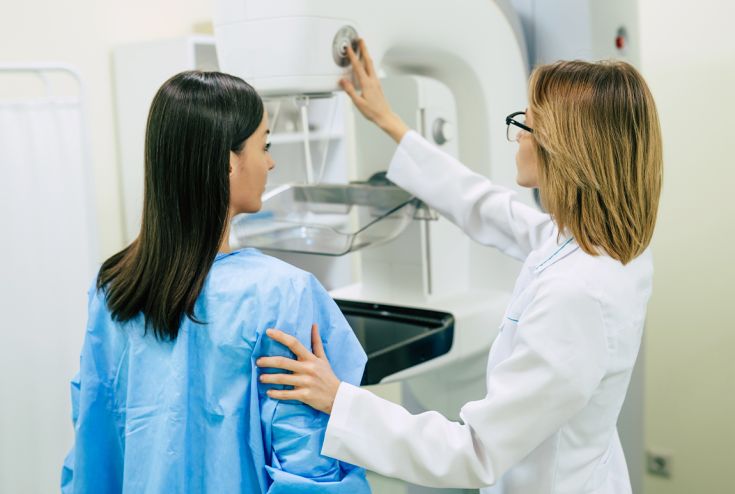
Maintaining regular breast screenings is one of the best ways to keep up with your breast health. Regular screenings provide a chance for early detection in the case of breast cancer. Mammograms should start at age 40 for women with an average risk. If you are considered high risk, screenings may start earlier. It is important to talk to your doctor about your chance of developing breast cancer. While there is no way to prevent breast cancer, understanding your personal risk can give you the information needed to develop a plan for screening and risk reduction.
At the Beekley Center for Breast Health and Wellness, a breast cancer risk assessment is calculated at every mammogram. This is created based on the information you provide at the time of your exam. If you would like to discuss your breast cancer risk with a doctor, please call the Beekley Center for Breast Health and Wellness to set up an appointment.
October reminds us about the importance of regular breast cancer screenings. This October, our breast care team at the Beekley Center for Breast Health and Wellness encourages all women to take charge of their health, schedule a mammogram and be aware of their personal risk.